Philosophy, Religion and Ethics Curriculum Intent
Students study two major world religions in depth, focusing on beliefs, teachings, and practices, alongside thematic studies that explore ethical and philosophical questions such as relationships, peace and conflict, human rights, and the existence of God. Learning is delivered through discussion, debate, textual analysis, and evaluation of differing viewpoints. Assessment is through written examinations that test knowledge, understanding, and the ability to construct well-reasoned arguments. Regular retrieval practice and formative assessment help students build confidence and deepen understanding.
Implementation
Students follow the AQA specification, studying two world religions in depth—typically Christianity and Sikhi—focusing on beliefs, teachings, and practices. Thematic studies explore ethical and philosophical questions such as relationships, life and death, peace and conflict, human rights, and the existence of God. Lessons are designed to be discussionbased and enquiry-led, encouraging students to analyse different viewpoints, develop reasoned arguments, and reflect on their own perspectives. Learning is supported through structured note-taking, exam-style practice, retrieval activities, and the use of key vocabulary to strengthen understanding. Progress is monitored through regular assessments, feedback, and opportunities for self-evaluation to help students build confidence and achieve mastery of key concepts.
Impact
By the end of the course, students can explain and evaluate key religious, ethical, and philosophical ideas with clarity and insight. They demonstrate tolerance, respect, and the ability to engage constructively with diverse viewpoints. Students leave the course as reflective and open-minded individuals who can think critically, communicate effectively, and make informed moral choices. The knowledge and skills gained in Religious Studies prepare learners for further education, employment, and life in a pluralistic and rapidly changing world.
"The first step in knowledge is to listen, then to be quiet and attentive, then to preserve it, then to put it into practice and then to spread it." - Sufyan ibn Uyayna
Learning Journey
Examination Board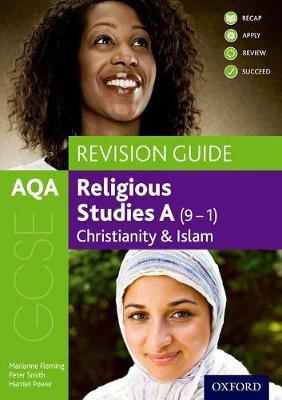
At the end of year 9 pupils will have the option to study the AQA Religious Studies GCSE. Pupils will look at religious beliefs and practices from Christian and Islamic perspectives and then apply religious beliefs and their own beliefs to a range of ethical issues including; crime and punishment, war and conflict, medical ethics and family and relationships.
Parents' Right to Withdraw
Parents have the right to request that their child be withdrawn from some or all of the sex education delivered as part of Relationships and Sex Education (RSE).
Requests should be made in writing to the Headteacher. The Headteacher will meet with parents to discuss the request and explain the purpose and content of the curriculum before a decision is made.
Parents do not have the right to withdraw their child from:
- Relationships Education
- Health Education
- the National Curriculum Science curriculum.
In accordance with statutory guidance, the school will normally respect a parent's request to withdraw a child from sex education until three terms before the child turns 16. After this point, if the young person wishes to receive sex education, the school will make arrangements for this to happen.
.png)
.png)