Design & Technology Intent
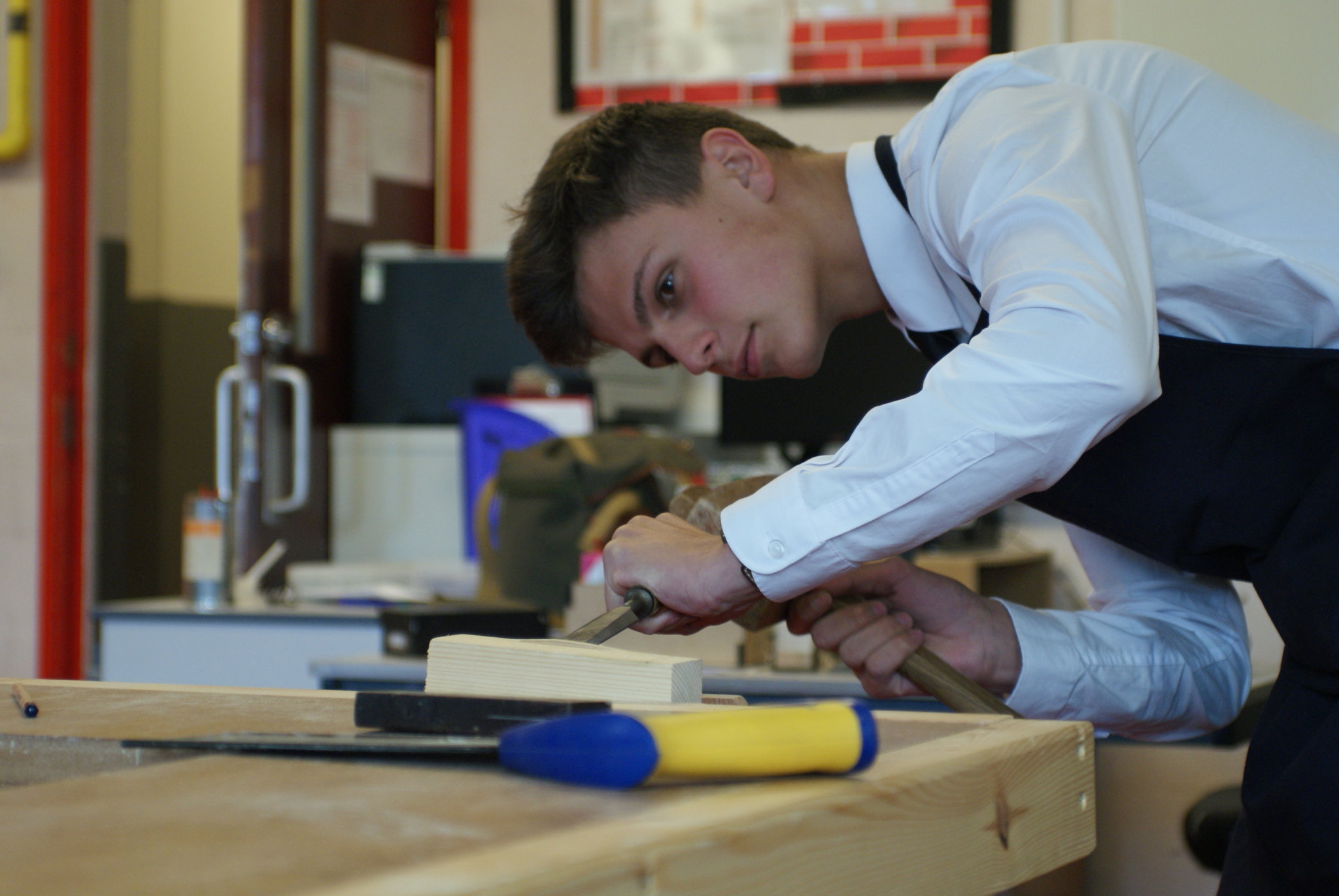 Our curriculum is designed to engage students in a wide variety of activities that develop problem-solving abilities, deepen their knowledge, and build proficiency in commercial manufacturing methods and technical skills. Design and Technology provides a rigorous combination of theoretical understanding and hands-on practice, ensuring students gain experience that is relevant and applicable to real-world needs, wants, and values. Through a focus on core concepts, students develop a strong foundation in materials, processes, and their applications across diverse contexts. The curriculum emphasizes technical understanding alongside designing, modelling, manufacturing, testing, and evaluating — all aimed at producing effective and meaningful solutions for a broad range of users. Design and Technology lessons help students build a broad base of knowledge that can be applied to solving authentic problems across multiple disciplines. Learners gain confidence in performing practical skills and become reflective, critical thinkers who can prototype, test, and refine their ideas effectively. By integrating both technical and creative expertise, the curriculum empowers students to become independent, capable learners with transferable skills that prepare them for pathways into post-16 education and apprenticeships as well as future careers in industry.
Implementation
At Westleigh, Design and Technology is delivered through a carefully sequenced and practical curriculum that develops students’ knowledge, skills, and understanding progressively from Key Stage 3 onwards. Learning is structured around the iterative design process - researching, designing, modelling, making, testing, and evaluating - enabling students to become confident, independent, and reflective learners. Students engage in a variety of creative and technical activities across disciplines such as drawing, CAD/CAM, modelling, manufacturing and Hospitality & Catering. Each project builds on prior learning, allowing pupils to apply and refine their technical expertise while solving real-world design challenges for specific users and contexts. Lessons encourage exploration, problem solving and practical skills. Knowledge of materials, tools, equipment, and manufacturing techniques is taught explicitly and applied through both written and hands-on making tasks. This ensures students develop both technical competence and creative confidence. In Food and Nutrition, pupils learn essential life skills such as cooking and applying the principles of healthy eating and nutrition. This strand of the curriculum promotes independence, creativity, and an understanding of how to make healthy, affordable choices both now and in later life. Assessment is ongoing throughout each unit, focusing on students’ ability to apply design principles, use technical language accurately, and evaluate the effectiveness of their outcomes. Regular reflection and feedback help students understand how to improve and develop their work further. Enrichment opportunities - such as clubs, competitions, and links with local industry - deepen engagement and expose students to real-world applications of design, technology, and engineering.
Impact
The impact of our Design and Technology curriculum is seen in students who are confident, creative, and capable problem solvers. They leave Westleigh with a broad set of transferable skills - including critical thinking, collaboration, and technical competence - that prepare them for further education, apprenticeships, and future careers in design, engineering, manufacturing, and hospitality industries. Students are able to apply their knowledge of materials, processes, and design principles to develop high-quality outcomes that meet real-world needs. They demonstrate independence and resilience through the iterative process of designing, making, and evaluating, showing pride in their practical achievements and an awareness of sustainability and ethical design considerations. In Food and Nutrition, pupils gain essential life skills and an appreciation of healthy eating, enabling them to make informed, affordable, and balanced food choices throughout their lives. By the end of their learning journey, students understand the importance of design and technology in shaping the world around them. They become thoughtful, innovative, and responsible individuals who can use their creativity and technical understanding to make a positive contribution to society and the future world of work.
Long Term Plan
Examination Board
The examination board for Design & Technology is Eduqas.
Click here for further information.
The examination board for Hospitality & Catering is Eduqas.

.png)
.png)